What is disinfection for homes and workplaces?
It is a fact that both homes and workplaces can be affected by unwanted organisms and pests. And the variety of them is great. We are talking about cockroaches, ants, flies, mosquitoes, bedbugs, mites and fleas. Unblocking sewage – Αποφράξεις Αντωνίου – also is recommended in such situations.
Under what conditions do insects and mites appear?
The most ‘common’ insects (flies, mosquitoes, cockroaches, ants) appear mainly during the summer months. Their growth is mainly favoured by high temperatures. However, this does not mean that there is no possibility of them appearing in the remaining months.
Fleas and bedbugs occur at temperatures ranging from 18 ° C to 30 ° C and a relative humidity of 70-80%. They are more dangerous parasites for humans and pets and their appearance is usually associated with some new furniture, or a recent trip.
Mites and their growth in a home are mainly favoured indoors, such as in warehouses, attics, lofts and carpets stored for storage, because in these cases the humidity rates are quite high. Specifically, a relative humidity of about 75% and a temperature of 25 ° C-30 ° C are the ideal conditions in which mites grow.
When do I need to disinfect?
- Obviously, when you realize the existence of insects in your space
- After moving to a new home
- After a trip and with a parallel appearance of itching in you or your pets
- After buying a new piece of furniture (especially if it is antique) and with a parallel appearance of itching in you or your pets
- On a monthly basis for healthy stores
What is microbiota, how is it done and when is it applied?
Microbiota is specifically designed for both germs and is indicated mainly in homes with people belonging to vulnerable groups and in health stores. The fight against viruses and germs is done by cold spraying and with special disinfectants approved by the E.O.F.
What is the disinfestation method we use?
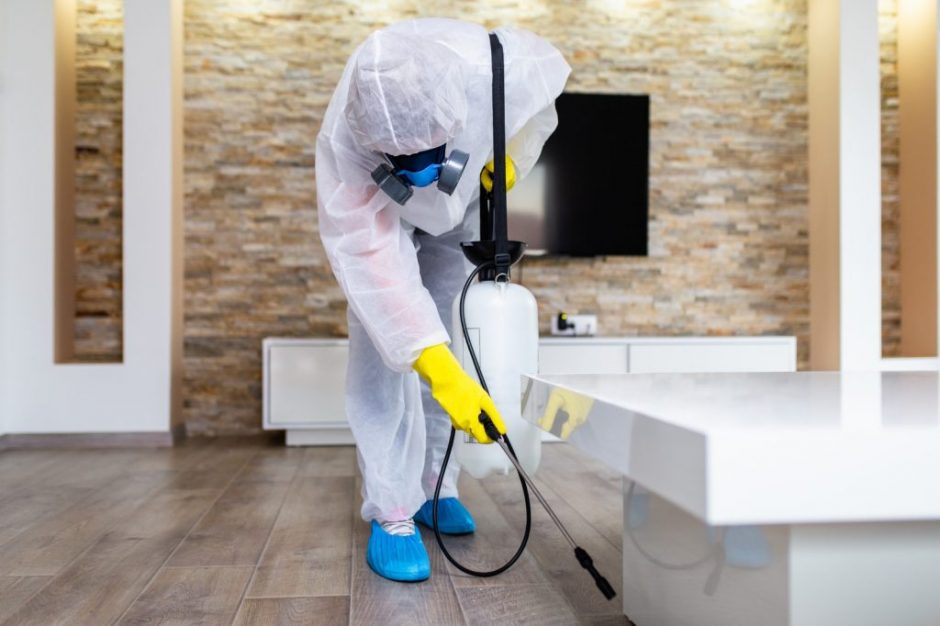
Spraying is used to control insects. Optionally, in the case of cockroaches / ants, a jelly-bait is placed in various parts of the house, which is food for the insects and which is transferred to their nest, thus achieving their extermination. Smoke can also be disinfected in the cesspool.
What materials do we use for disinfection?
The materials we use are ecological, odourless, hypoallergenic and certified by the Ministry of Rural Development. They are suitable for homes with pets, babies and patients or people with allergies.
What are the prices for disinfection?
The price depends on the type, the method to be used and the place where it will take place. Specifically:
- In a detached house / apartment with spray from 19 €
- In an apartment building with spray from € 29
- In a spray store from € 25
- In a store of health interest on a monthly basis from 40 € / month + VAT
- Micro-murder from 0.5 € / sq.m
Generally, even if you have not noticed any unwanted presence in your space, it is wise to do professional disinfection at least once.
Why choose Apofraxeis Antoniou for disinfection?
On our platform you will find experienced and evaluated professionals with many years of experience in the field. Many different insects and pests as well as bacteria and viruses can fight it.
The results of their work are guaranteed and certified. That’s why if you want to get rid of unwanted organisms, you can make an appointment with one of our service team – αποφρακτική Αντωνίου.
What Is Disinfection For Homes And Workplaces?
We all “clean” our spaces, but disinfection is a different promise: it’s the step that’s meant to lower the number of germs on surfaces to a safer level when risk is higher, after a stomach bug tears through the house, after a busy day in a shared office, or after a basement flood leaves more than just water behind.
In practical terms, disinfection for homes and workplaces means using a disinfectant product (or method) correctly, on the right surfaces, at the right strength, for the right amount of time, so it can do what the label claims. And because many real-world messes involve moisture, plumbing backups, or flooding, disinfection often goes hand-in-hand with water extraction and drain maintenance. (If a space has been exposed to wastewater or standing water, “wiping it down” rarely cuts it.)
Below, we’ll break down what disinfection is, when you actually need it, how to do it safely, and how to build a routine that’s realistic, not performative.
Cleaning, Sanitizing, And Disinfecting: What’s The Difference?
These three words get used interchangeably, but they’re not the same, and mixing them up is one of the easiest ways to waste time or create a false sense of safety.
- Cleaning removes dirt, grease, and grime from a surface, usually with soap/detergent and water. Cleaning can remove germs physically by lifting them off the surface, but it doesn’t reliably kill what’s left behind.
- Sanitizing lowers germs to a level considered safe by public health standards. It’s commonly used in food-related areas (think cutting boards, restaurant tables) and may have a shorter required contact time than full disinfection.
- Disinfecting (Disinfection) uses chemical or physical methods to kill germs on hard, nonporous surfaces. Disinfectants are regulated and make specific claims (for example, effective against certain viruses or bacteria) when used as directed.
A simple way we explain it to clients is:
Cleaning is “remove the mess.” Disinfection is “reduce the microbial risk.”
How Each Step Reduces Risk (And What It Does Not Do)
Cleaning reduces risk by removing the “food” and hiding places that germs love, especially grease films in kitchens and soap scum in bathrooms. It also helps disinfectants work better because disinfectants can be less effective when organic matter is present.
Sanitizing reduces risk when you’re dealing with everyday use, shared counters, dining tables, and high-touch surfaces that don’t have obvious contamination.
Disinfection reduces risk when:
- illness is present (or suspected),
- there’s been contamination (bodily fluids, wastewater, mold-prone dampness),
- or many people share the same space and touch the same objects.
What disinfection does not do:
- It doesn’t “sterilize” a home or office (sterilization is a higher bar used in medical/industrial contexts).
- It doesn’t make a dirty surface safe without cleaning first.
- It doesn’t replace ventilation or good hygiene habits (like handwashing), it complements them.
When Cleaning Alone Is Enough vs When Disinfection Is Needed
Not every surface needs to be disinfected daily. In fact, overdoing it can irritate skin and lungs, damage finishes, and encourage sloppy habits (“We sprayed something, so we’re fine”). The smarter move is to match the level of intervention to the level of risk.
Everyday Situations In Homes
In many households, cleaning is enough for day-to-day life, especially when no one is sick:
- Floors, baseboards, and walls: detergent + water (and spot cleaning) is usually sufficient.
- Most kitchen cleaning: washing dishes, wiping counters with a cleaner, and routine bathroom cleaning.
- Low-touch areas: shelves, decor, guest rooms that aren’t used often.
We typically recommend targeted disinfection at home when:
- someone has vomiting/diarrhea symptoms (norovirus-style illness spreads fast),
- there’s a confirmed contagious respiratory infection in the home,
- you’re caring for an elderly or immunocompromised family member,
- there was a plumbing backup, toilet overflow, or standing water event.
That last one is bigger than most people realize. If water is coming from drains, toilets, or unknown sources, it can carry microorganisms that require a more deliberate cleaning + disinfection approach.
Higher-Risk Situations In Workplaces
Workplaces tend to tip toward higher risk because people share air, surfaces, and equipment.
Disinfection is more likely to be needed when:
- many individuals share the same touchpoints (door handles, printers, time clocks),
- the workplace is customer-facing (retail counters, clinics, salons),
- there’s high occupancy or shift work (more contact events per hour),
- the environment is moisture-prone (restrooms, kitchens, laundry areas),
- or an incident occurs (bodily fluid spill, break-room outbreak, flood or drain overflow).
A common example we see: a break room sink that drains slowly for weeks, then backs up after a heavy rain or a building-wide clog. Once wastewater is involved, the “cleanup” is no longer just cosmetic. It becomes a contamination-control job: remove the water, clean, and then disinfect what’s appropriate, while also fixing the underlying drainage issue so it doesn’t happen again.
How Disinfection Works: Germs, Dwell Time, And Product Labels
Disinfectants aren’t magic. They’re tools with rules. If we rush them, dilute them incorrectly, or wipe them off too soon, we’re basically doing expensive cleaning, with a side of chemical smell.
Contact Time, Concentration, And Coverage
Three variables decide whether disinfection works:
- Contact (dwell) time
- This is the number one mistake we see in real homes and offices.
- Many disinfectants require the surface to remain visibly wet for several minutes (sometimes longer) to meet the label claim.
- Concentration
- Ready-to-use sprays are convenient, but concentrates must be mixed correctly.
- Stronger is not always better: incorrect dilution can reduce effectiveness or increase hazards.
- Coverage
- A disinfectant can’t kill what it doesn’t touch.
- Spraying “near” a surface, misting lightly, or wiping with a barely damp cloth often leaves dry islands where microbes can survive.
We also keep expectations realistic: disinfection targets surfaces, not the entire room. If indoor air quality is a concern, ventilation, filtration, humidity control, and source removal matter as much (often more).
Reading Labels: Surfaces, Pathogens, And Safety Directions
Product labels aren’t decoration, they’re instructions and legal claims.
When we read a disinfectant label, we look for:
- Where it can be used: hard, nonporous surfaces: sometimes specific materials (stainless steel, sealed tile, plastic). Many disinfectants are not meant for porous surfaces.
- Which pathogens it targets: bacteria vs viruses vs fungi. Some products list specific organisms: others reference broader categories. If you need a specific claim (for example after a known illness), choose accordingly.
- Required wet time: “Keep surface wet for X minutes.” This is your success metric.
- Safety directions: ventilation requirements, glove recommendations, and whether rinsing is needed on food-contact surfaces.
In the U.S., a practical resource for checking disinfectant claims is the EPA’s disinfectant registry (often referenced as “List N” for emerging viral pathogens). Even if we don’t memorize lists, we can use that mindset: pick products with clear claims and follow the directions exactly.
The Two-Step Method: Clean First, Then Disinfect
If we had to boil disinfection down to one operational rule, it’s this:
We don’t disinfect dirt. We clean it off, then disinfect what’s left.
That two-step method is what turns “spray and pray” into an actual process.
Step-By-Step Process For Hard, Nonporous Surfaces
Here’s a reliable workflow we use for homes and workplaces:
Declutter the area
- Remove dishes, papers, devices, and anything that shouldn’t get wet.
Pre-clean with detergent/soap and water (or a general cleaner)
- Wipe away visible soil, grease, and residue.
- Use friction, pressing and wiping, because it physically removes buildup.
Rinse if required
- Some cleaners leave residues that can interfere with certain disinfectants.
- If the label says rinse, rinse.
Apply disinfectant to the surface
- Ensure full coverage. The surface should be visibly wet.
Respect the dwell time
- Set a timer if you have to. This is where most “disinfection” fails.
Air-dry or wipe as directed
- Some products allow air-drying: others require wiping after the dwell time.
Wash hands and tools
- Dirty cloths can re-contaminate surfaces.
- Reusable microfiber should be laundered properly.
Special Handling For Spills, Bodily Fluids, And High Soil Loads
Certain messes require a more cautious approach:
- Bodily fluids (vomit, blood, feces)
- Use disposable absorbent materials where possible.
- Wear gloves: consider eye protection if splashing is possible.
- Remove bulk material first, then clean, then disinfect with a product appropriate for that type of contamination.
- High soil loads (mud, sludge, flood residue)
- Disinfectants can be neutralized by organic matter.
- We treat this like restoration: remove water, remove debris, wash surfaces thoroughly, dry the area, then disinfect where appropriate.
- Wastewater and sewer backup scenarios
- This is where professional help is often warranted.
- Standing water in basements, blocked drains, and overflows can introduce pathogens and create long-term odor/mold issues if not handled quickly. The safest sequence is usually: water extraction (pumping), controlled cleaning, drying/dehumidification, then targeted disinfection, plus the drain issue fixed at the source (often via mechanical cleaning like hydro-jetting rather than harsh chemicals that can corrode pipes and surrounding materials).
What To Disinfect Most Often: High-Touch Surfaces By Setting
If we try to disinfect “everything,” we’ll burn out and do none of it well. High-touch surfaces give us the best return: fewer germs where hands land most.
Home Hotspots (Kitchen, Bath, Shared Items)
In homes, we focus on:
- Kitchen
- Faucet handles
- Refrigerator door handle
- Counter areas where raw food is handled
- Trash can lid
- Bathroom
- Toilet flush handle/button
- Sink handles
- Light switches
- High-touch points near the toilet (especially during illness)
- Shared items
- TV remotes, game controllers
- Doorknobs and cabinet pulls
- Baby changing surfaces
- Phones (with the right method, see electronics below)
A small but useful habit: we keep disinfection “clusters.” For example, if we disinfect the bathroom sink handles, we also do the light switch and door handle in the same pass.
Workplace Hotspots (Desks, Shared Equipment, Break Rooms)
In workplaces, the list expands because hands rotate through the same equipment:
- Entry and circulation areas
- Door handles, push plates
- Elevator buttons
- Reception counters
- Workstations and shared gear
- Shared keyboards/mice (or provide personal peripherals)
- Printer/copier touchscreens
- Tools and handheld devices
- Time clocks
- Break rooms
- Microwave and refrigerator handles
- Coffee machines, water dispensers
- Table surfaces and chair backs
- Restrooms
- Flush handles/buttons
- Faucet handles
- Stall locks
If we’re advising a team, we usually start with a simple question: “Where do multiple people touch the same thing within an hour?” That’s your disinfection priority list.
Disinfecting Different Materials Safely
The “best” disinfectant is the one that’s effective and doesn’t ruin your stuff, or your lungs. Materials matter.
Electronics And Screens
Electronics are high-touch and easy to damage.
What we do:
- Follow the device manufacturer’s cleaning guidance first.
- Use 70% isopropyl alcohol wipes or sprays applied to a cloth (not directly into ports), when compatible.
- Keep moisture minimal and avoid dripping.
- Let surfaces dry fully.
What we avoid:
- Bleach solutions on screens (often too harsh).
- Spraying liquids directly onto keyboards, phones, or monitors.
If a workplace shares headsets, tablets, or POS terminals, we recommend providing appropriate wipes nearby and building “wipe-down moments” into shift changes.
Soft Surfaces, Upholstery, And Laundry
Porous materials are tricky because disinfectants are primarily tested for hard, nonporous surfaces.
For soft surfaces (carpets, upholstery, curtains):
- Clean first (vacuum, spot-clean with an appropriate upholstery cleaner).
- If contamination is significant (especially wastewater), consider professional cleaning or removal, some items simply aren’t worth “saving” if they’ve absorbed contaminated water.
For laundry:
- Use the warmest water appropriate for the fabric.
- Dry thoroughly (heat helps).
- Handle soiled laundry with gloves when illness or contamination is involved, and avoid shaking it out (that can aerosolize particles).
For flood or backup events, soft goods (rugs, cardboard, some upholstered furniture) often become the hidden source of odor and microbial growth even after the floor “looks dry.” Drying and dehumidification are not optional in those scenarios.
Personal Safety And Indoor Air Quality During Disinfection
Disinfection should reduce health risk, not create a new one. In both homes and workplaces, we treat chemical safety and ventilation as part of the job.
Gloves, Ventilation, And Chemical Mixing Risks
Our baseline safety habits:
- Wear gloves appropriate to the product.
- Ventilate: open windows, run exhaust fans, and increase fresh-air exchange when possible.
- Never mix chemicals
- Mixing bleach with ammonia (or acids) can produce toxic gases.
- “Kitchen chemistry” is a common cause of accidental exposure.
We also keep it simple with tools:
- color-coded cloths (bathroom vs kitchen),
- disposable options for gross contamination,
- and a clear plan for laundering reusable microfiber.
Protecting Children, Pets, And People With Sensitivities
If anyone in the space has asthma, chemical sensitivities, or allergies, we adjust the approach:
- Choose products with clear instructions and avoid heavy fragrances.
- Disinfect when fewer people are present (after hours for workplaces, nap time for homes).
- Keep kids and pets out of the area until surfaces are dry and the room has aired out.
- Don’t over-apply product, more vapor isn’t more protection.
Indoor air quality matters even more after moisture events (flooding, plumbing leaks). High humidity can drive microbial growth behind baseboards or under flooring. In those cases, disinfection alone won’t fix the root problem: we also need drying, humidity control, and, often, inspection of hidden cavities.
Setting A Practical Disinfection Plan: Frequency, Roles, And Documentation
A good disinfection plan is boring, in a good way. It’s consistent, easy to follow, and doesn’t rely on one heroic person doing everything perfectly.
Building A Schedule Based On Occupancy And Risk
We build frequency around three variables:
- Occupancy (how many people)
- Touch density (how often shared surfaces are used)
- Vulnerability (children, elderly, immunocompromised, public-facing work)
A practical framework:
- Low risk (typical home, no illness)
- Clean routinely: disinfect only high-touch items as needed.
- Moderate risk (busy home, guests, shared devices)
- Disinfect targeted high-touch surfaces several times per week.
- Higher risk (illness in home, childcare, healthcare-adjacent workplaces, heavy public contact)
- Disinfect high-touch points daily or per shift.
- Add event-based disinfection after known contamination.
For moisture or drainage-related incidents, we treat it as event-based:
- immediate response (remove water, clean, dry),
- then disinfection where appropriate,
- then prevention (maintenance of drains, gutters, downspouts, and periodic drain cleaning using mechanical methods rather than frequent chemical drain openers that can damage pipes over time).
Workplace Checklists, Logs, And Compliance Considerations
In workplaces, the difference between “we do it” and “we can prove it” matters.
We recommend:
- A simple checklist by zone (restrooms, break room, reception, shared equipment)
- Defined roles
- Who disinfects what, when, and with which product.
- Logs
- Date/time, area, initials, product used.
Documentation helps with:
- internal consistency across shifts,
- training new staff,
- and demonstrating due diligence when regulations, audits, or client requirements apply.
One more human reality: supplies run out. A workable plan includes inventory checks (wipes, gloves, trash liners) so the process doesn’t collapse the moment the last bottle disappears.
Conclusion
Disinfection for homes and workplaces isn’t about bathing everything in chemicals, it’s about using the right level of control for the situation. When we understand the difference between cleaning, sanitizing, and disinfecting, we can put our effort where it counts: high-touch surfaces, higher-risk moments, and incidents like illness or water intrusion.
If we leave you with two rules, let them be these: clean first, then disinfect, and follow the label (especially contact time). Do that consistently, protect indoor air quality with ventilation, and you’ll have a space that’s not just “clean-looking,” but genuinely lower-risk.
And when disinfection is tied to bigger problems, like flooding, drain backups, or recurring moisture, solving the source (water removal, drying, and proper drain maintenance) is what keeps the same health issue from coming back a month later.
Key Takeaways
- Disinfection for homes and workplaces reduces germs on hard, nonporous surfaces to a safer level when risk is higher (illness, heavy sharing, or contamination).
- Use the two-step method—clean first, then disinfect—because disinfectants don’t work well on dirty or greasy surfaces.
- Make disinfection effective by following the label exactly, especially surface compatibility, proper dilution, full coverage, and the required wet contact (dwell) time.
- Prioritize high-touch surfaces (handles, switches, shared equipment, break-room and restroom touchpoints) instead of trying to disinfect everything.
- After floods, plumbing backups, or standing water, pair disinfection with water extraction, thorough drying/dehumidification, and fixing the drainage source to prevent recurring contamination.
- Disinfect safely with gloves, good ventilation, and never mixing chemicals, and keep kids, pets, and sensitive individuals away until surfaces are dry and the space airs out.
Frequently Asked Questions About Disinfection for Homes and Workplaces
What is disinfection for homes and workplaces?
Disinfection for homes and workplaces is the process of using an EPA-registered disinfectant (or approved method) to kill germs on hard, nonporous surfaces when risk is higher. It works only when applied correctly—right surface, correct dilution, full coverage, and the required wet contact (dwell) time on the label.
What’s the difference between cleaning, sanitizing, and disinfecting?
Cleaning removes dirt and grime and can physically lift some germs, but it doesn’t reliably kill what remains. Sanitizing lowers germs to public-health “safe” levels, often for food-related areas. Disinfecting uses chemical or physical methods to kill germs on hard, nonporous surfaces when used exactly as directed.
When do I actually need disinfection at home versus just cleaning?
In many homes, routine cleaning is enough when no one is sick and contamination isn’t suspected. Targeted disinfection is recommended after vomiting/diarrhea illness, a contagious respiratory infection, or when caring for elderly or immunocompromised people. Disinfection is also important after plumbing backups, toilet overflows, or standing water events.
How do I disinfect correctly (and why is “dwell time” so important)?
Use a two-step method: clean first, then disinfect. Apply disinfectant so the surface is visibly wet and keep it wet for the full dwell time listed on the label—often several minutes. If you wipe it off too soon, dilute incorrectly, or miss spots, you may not meet the product’s germ-kill claim.
What are the most important high-touch surfaces to disinfect in workplaces?
In offices and customer-facing spaces, prioritize shared touchpoints: door handles/push plates, elevator buttons, reception counters, time clocks, printer/copier screens, shared keyboards/mice, break-room appliance handles, and restroom fixtures. A good rule is to disinfect whatever multiple people touch within an hour, daily or per shift.
Is it safe to disinfect around kids, pets, or people with asthma or sensitivities?
Yes, with precautions: ventilate (open windows, run exhaust fans), wear gloves as directed, and keep children and pets away until surfaces are dry and the room has aired out. Avoid heavy fragrances and never mix chemicals (especially bleach with ammonia or acids). Use only as much product as the label requires.
Read more about unblock and disinfect:
- ΑΠΟΦΡΑΞΕΙΣ ΑΤΤΙΚΗ
- ΑΠΟΦΡΑΞΕΙΣ ΑΡΓΥΡΟΥΠΟΛΗ
- ΑΠΟΦΡΑΞΕΙΣ ΒΥΡΩΝΑΣ
- ΑΠΟΦΡΑΞΕΙΣ ΓΑΛΑΤΣΙ
- ΑΠΟΦΡΑΞΕΙΣ ΠΕΙΡΑΙΑΣ
- ΑΠΟΦΡΑΞΕΙΣ ΠΕΝΤΕΛΗ
- ΑΠΟΦΡΑΞΕΙΣ ΠΕΡΙΣΤΕΡΙ
- ΑΠΟΦΡΑΞΕΙΣ ΠΕΤΡΑΛΩΝΑ
- ΑΠΟΦΡΑΞΕΙΣ ΚΑΛΛΙΘΕΑ
- ΑΠΟΦΡΑΞΕΙΣ ΚΑΛΛΙΤΕΧΝΟΥΠΟΛΗ
Αποφράξεις Αντωνίου
Καπανέως 20, Αθήνα 104 44
21 0883 8479