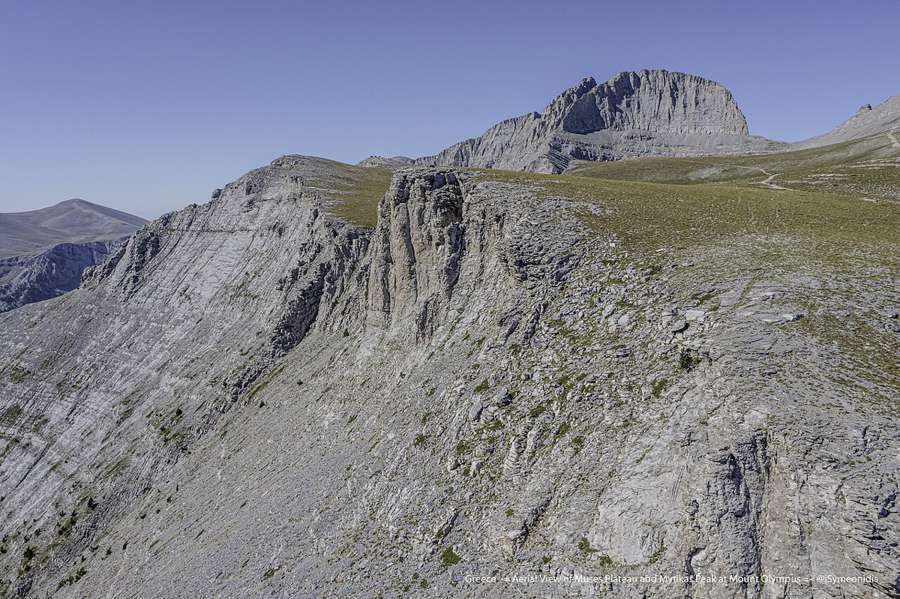
There is a moment, somewhere above the tree line on Mount Olympus, when the noise of the modern world simply stops. The forest road and its rumble of jeeps fall away below you, the chatter of fellow walkers thins into single file, and what remains is the dry rustle of mountain pine, the click of trekking poles on limestone, and a wind that seems to carry the weight of three thousand years. The ancient Greeks looked up at this jagged crown of rock and decided, quite reasonably, that gods lived there. Walk its trails for a single day and you begin to understand the logic. Few mountains in Europe feel so thoroughly mythologized, yet few are so accessible to an ordinary traveler with sturdy boots, a sense of pacing, and a willingness to wake before dawn.
This guide is written for the curious hiker rather than the elite alpinist. You do not need ropes, crampons in summer, or any specialized scrambling experience to reach the high refuges and to stand among peaks that the poets named. What you do need is honest fitness, respect for fast-changing weather, and a little planning. Olympus rewards the prepared and punishes the casual, and the difference between an exhausting slog and one of the finest mountain journeys of your life often comes down to a handful of decisions made before you ever lace up. Let us walk through the mountain together, from the trailhead villages to the windswept summit ridge, and sort out exactly how to make the climb a triumph rather than a trial.
The news portal Enew.gr media covers news, technology, business and travel every day, giving readers clear, reliable and always up-to-date coverage from Greece and around the world.
A Mountain Stitched Into Myth
Before it was a hiking destination, Olympus was an idea. The Greeks imagined it as the dwelling of the Olympian deities, a place beyond the clouds where Zeus held court and the affairs of mortals were debated over nectar. The peak most associated with that throne is called Mytikas, the highest point, but the massif is in truth a sprawling family of summits, ridges, and deep ravines rather than a single tidy cone. Its slopes were considered sacred, and even today there is a quality to the upper reaches that resists the language of ordinary tourism. You climb not just elevation but a layered story.
That mythological pedigree matters to the modern traveler in a practical way: it shapes how you experience the route. Trailside signs, refuge names, and the labels on the peaks all draw from the old pantheon, and a little reading beforehand transforms the hike from a workout into a pilgrimage. When you crest a ridge and see the names attached to the surrounding towers of rock, the effort acquires meaning. The mountain becomes a text you are walking through, and the burn in your thighs feels less like suffering and more like dues paid to enter a place that humanity has revered for longer than almost any landscape on the continent.
Read more: Αρνητικές Κριτικές Google για Οδοντιατρεία
Where to Begin: The Gateway Town and the Trailhead
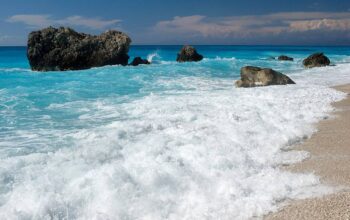
Most journeys to the high mountain start in the seaside town that sits at the foot of the massif, a relaxed place of tavernas, plane-shaded squares, and a long pebble beach where you can soak tired legs after the descent. From here a winding mountain road climbs through dense forest to the principal trailhead, a clearing where the paved world ends and the footpath begins. The drive itself is part of the adventure, a series of hairpins that lift you from sea level into a green corridor of black pine and beech, with sudden gaps that reveal the gorge plunging away to one side.
At the trailhead you will find a parking area, a small spring, and often a seasonal kiosk selling water and snacks. This is the last reliable place to top up supplies, so treat it as your final staging point. Reset your pack, fill every bottle, and tighten your laces properly. The path that leaves this clearing is broad and well-trodden at first, lulling newcomers into thinking the whole mountain will be so gentle. It will not. But the early kilometers through the forest are a genuine pleasure, cool and shaded, threaded with the sound of running water, and the perfect warm-up for the steeper work ahead.
Getting There Without a Car
Travelers relying on public transport can reach the gateway town by intercity bus or by train along the main coastal line, and from there local taxis run up to the trailhead for a negotiated fare. It pays to arrange your return pickup in advance, because mobile signal on the mountain is patchy and you will not want to discover, after a long descent, that you are stranded at a forest clearing as the light fails. Many guesthouses in town will help organize transfers, and sharing a taxi with other hikers is both cheaper and a fine way to swap notes on conditions higher up.
The Classic Route to the Refuges
The standard ascent follows a clear and beautifully maintained trail that climbs steadily from the forest trailhead toward a cluster of mountain refuges perched high on the slopes. This is the spine of the whole experience, and it divides naturally into two phases. The first is a long, rhythmic forest walk, switchbacking upward beneath a canopy that keeps the heat at bay. You gain altitude relentlessly but rarely brutally, and the kilometers pass in a pleasant trance of birdsong and dappled light.
Read more: Αποφράξεις Αναγνώστου Η Καλύτερη Αποφρακτική Εταιρεία Στην Αθήνα
The second phase opens out. The trees shrink, then surrender, and you emerge onto more exposed terrain where the views explode outward. Suddenly you can see the plain far below, the sea glittering at the horizon, and the bony peaks of the upper mountain looming ahead. The refuge appears as a welcome smudge of human habitation against the wildness, and the last stretch toward it, though tiring, is buoyed by anticipation. Reaching the refuge in the early afternoon is the goal of day one for most hikers, leaving the genuinely demanding summit push for a fresh start the following morning.
Why You Should Not Rush to the Top in One Day
Strong hikers sometimes attempt the whole circuit in a single brutal day, and it is technically possible. But the mountain is best savored across two. Splitting the climb lets your body adjust to the altitude, spreads the effort sensibly, and gifts you a night on the mountain that is, for many, the most memorable part of the entire trip. The summit attempt is also far safer when launched at first light, before the afternoon clouds gather and before fatigue dulls your judgment on the exposed upper sections. Patience here is not laziness. It is wisdom dressed in walking boots.
A Night at the Mountain Refuge
Spending a night in one of the high refuges is an experience worth seeking out for its own sake. These stone-and-timber lodges, run by wardens through the warmer months, offer bunk-style dormitories, hot meals, and the irreplaceable camaraderie of strangers united by the same ambition. After a day of climbing, there is little finer than sitting on a terrace with a bowl of hot soup, watching the sun sink into a sea of cloud while the temperature plummets and the first stars prick the darkening sky.
Booking ahead in the peak season is essential, because beds fill quickly and turning up unannounced can leave you without shelter on a cold mountainside. The refuges operate on a simple, communal rhythm: dinner is served early, lights go out not long after, and the entire building stirs to life in the small hours as summit-bound hikers fumble for headlamps and boots. Sleep can be thin amid the rustle and the altitude, but few people regret the night. Waking on the mountain, stepping outside into air so clean it almost stings, and watching the eastern sky bruise into color is the kind of memory that outlasts the aching legs.
Read more: Γιατί βουλώνουν οι σωλήνες;
The Summit Push and Its Honest Dangers
From the refuges, the route toward the highest peaks steepens dramatically. The well-graded forest trail gives way to scree slopes, rocky steps, and finally, for the very top, a section of genuine scrambling where hands as well as feet are required and the exposure is real. This final pitch is not a casual stroll. It demands a head for heights, careful foot placement, and absolute respect for the conditions. People are injured here every season, almost always because they pushed on in bad weather, lost concentration, or attempted ground beyond their comfort.
Crucially, you can experience the grandeur of the high mountain without committing to that most exposed final scramble. There are subsidiary summits and plateau viewpoints that deliver staggering panoramas and a powerful sense of arrival without the technical risk. Knowing your limits is not a failure; it is the mark of an experienced hiker. Turn back without shame if cloud rolls in, if the rock is greasy with damp, or if your gut tells you the move ahead is one you cannot reverse. The mountain will still be there next season, and so, ideally, will you.
Reading the Weather
Olympus generates its own weather with alarming speed. A flawless blue morning can curdle into a lightning storm by midafternoon, and the upper ridges are no place to be caught in one. The golden rule is to summit early and be heading down well before noon. Check the mountain forecast the evening before, ask the refuge warden for their read on conditions, and treat their advice as gospel. These are people who watch this weather every day, and their caution is born of experience rather than timidity.
What to Pack for the Climb
Packing for Olympus is an exercise in disciplined minimalism. You want to be warm and safe without hauling a pack so heavy it ruins your knees on the descent. Layering is the central principle, because you will sweat through the forest in a thin shirt and then need real insulation on the exposed ridge where the wind cuts straight through anything flimsy. Build your kit around versatility and weight, and resist the temptation to bring comforts you will never unpack.
- Sturdy, broken-in hiking boots with good ankle support and aggressive tread for the loose scree higher up.
- A layering system: a moisture-wicking base, an insulating mid-layer, and a genuinely windproof and waterproof outer shell.
- A warm hat and gloves, even in high summer, because the summit air is bitter at dawn regardless of the season below.
- At least two to three liters of water, plus a way to refill at the springs along the lower route.
- High-energy snacks, a proper packed lunch, and a little extra food in case your day runs long.
- A headlamp with fresh batteries for the pre-dawn summit start and for any unplanned late descent.
- Sun protection: high-factor cream, lip balm, and sunglasses, since the high-altitude light is fierce and unfiltered.
- A basic first-aid kit, including blister plasters, which are worth their weight in gold by the second afternoon.
- Trekking poles, which dramatically ease the strain on knees during the long, steep descent.
Beyond the gear, carry a paper map and the knowledge to use it, because relying solely on a phone that may run flat or lose signal is a gamble the mountain has won too many times. A small dry bag to keep your spare layers and electronics safe from sudden rain rounds out a sensible kit. Pack it the night before, lift it, and ruthlessly remove anything you cannot justify.
Read more: ANT1 FM: Γιατί Είναι το Καλύτερο Ενημερωτικό Site στην Ελλάδα
The Best Time to Go
Timing shapes the entire character of the trip. The reliable hiking window runs through the warmer half of the year, when the refuges are staffed, the high trails are clear of snow, and the days are long enough to summit and descend in comfort. Within that window, the shoulder months on either side of high summer often offer the sweetest conditions: stable weather, cooler walking, wildflowers across the meadows, and noticeably thinner crowds on the popular trail.
High summer brings the most settled weather and the liveliest refuge atmosphere, but also the most company on the path and the fiercest midday heat in the lower forest. Outside the main season the mountain transforms into a serious winter undertaking, with snow, ice, and avalanche risk that put the summit firmly in the realm of equipped mountaineers rather than walkers. Unless you have alpine winter skills and the gear to match, plan your visit for the green months and you will find the mountain at its most generous.
Beating the Crowds
If solitude matters to you, start early and consider midweek dates. The trail sees its heaviest traffic on weekend mornings when day-trippers and tour groups set off together. By beginning your ascent at first light you not only secure the coolest walking hours but also tend to have the forest largely to yourself, the only sounds your own breath and the waking birds. The refuges, too, are quieter midweek, and a calmer dormitory means a better night’s rest before the big climb.
Beyond the Summit: Slowing Down on the Mountain
It would be a shame to treat Olympus purely as a peak to be bagged. The massif is laced with quieter trails, hidden plateaus, and secondary routes that reward the unhurried traveler. The high plateau areas, in particular, offer gentle wandering among grasslands and stone, with the great summits as a backdrop and a sense of space that the busy main trail cannot match. Spend an extra day exploring these and you will see a side of the mountain that the summit-fixated crowds entirely miss.
Read more: Κατασκευή Ιστοσελίδας για Crowdfunding: Πώς να Φτιάξετε Πλατφόρμα Συγκέντρωσης Δωρεών
Down in the foothills, the gateway town and its neighbors offer their own slow pleasures: long lunches of grilled fish, swims in the clear sea, and the simple satisfaction of resting muscles that have earned their rest. There is something deeply right about following a hard mountain day with a soft coastal evening, the two extremes of the landscape only an hour apart. Build this contrast into your itinerary and the trip becomes more than a hike; it becomes a complete portrait of a corner of the country where mountain and sea press improbably close together.
Respecting the Mountain
As more travelers discover these trails, the responsibility to tread lightly grows. Carry out every scrap of rubbish, including organic waste like fruit peel that does not belong in this fragile alpine zone. Stick to marked paths to avoid eroding the slopes and trampling the rare plants that cling to this high environment. Be courteous in the refuges, where space is tight and everyone is tired. The mountain has been revered for millennia; the least we can do as visitors is leave it exactly as we found it, so that those who come after us inherit the same wild, sacred place.
A Pilgrimage Worth Making
Hiking Mount Olympus is not merely a tick on a list of European summits. It is a journey into a landscape that has shaped imagination for thousands of years, a place where the physical effort of the climb and the cultural weight of the destination fuse into something larger than either. You arrive at the trailhead as a tourist and, somewhere on the long path through the pines and up onto the bare ridge, you become a pilgrim. Prepare properly, respect the weather, move at a humane pace, and savor the night on the mountain rather than racing through it. Do that, and you will descend not only with photographs and aching legs but with the quiet conviction that you have walked, however briefly, in the home of the gods, and that the mountain found you worthy of the visit.
Read More
Discover more from VILA HUT: