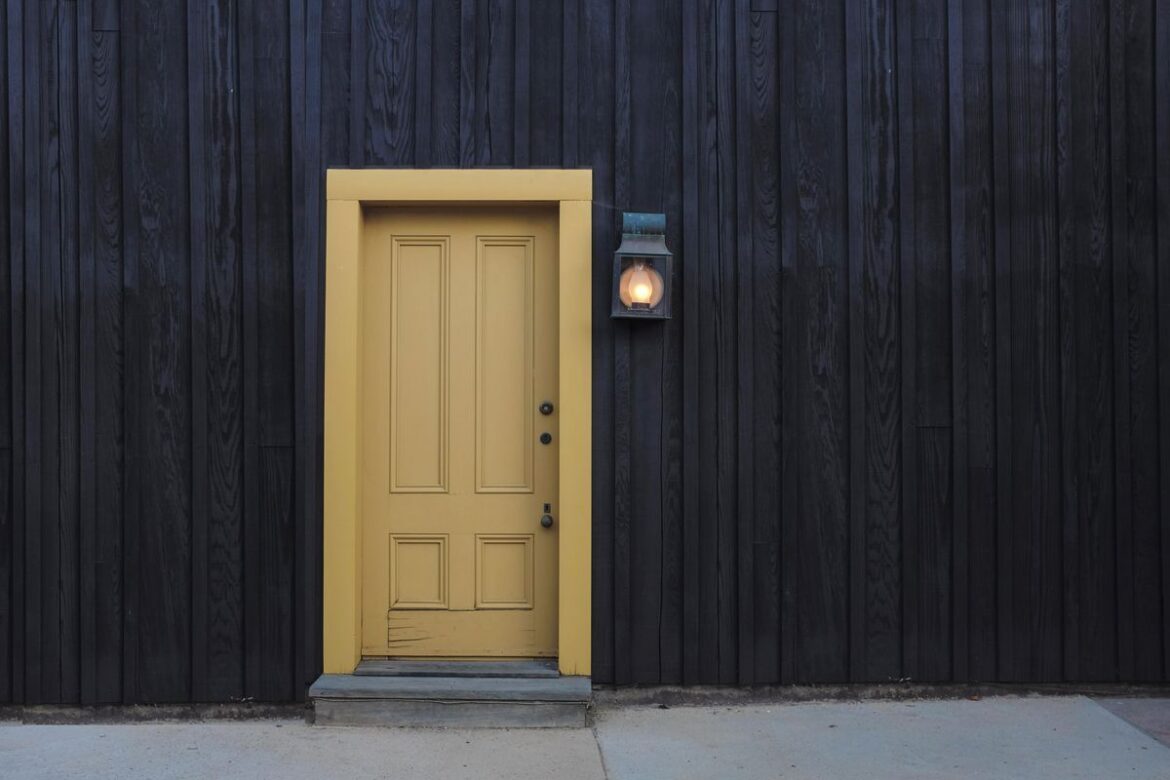
Emagazine has been at the forefront of home safety journalism, and one topic that consistently draws reader interest is home security doors. Choosing the right security door is one of the most important investments you can make for your property. It is the first physical barrier between your family and the outside world, and when chosen correctly, it significantly reduces the risk of break-ins, burglaries, and forced entry. In this comprehensive guide, Emagazine walks you through everything you need to know — from materials and locking mechanisms to installation and maintenance — so you can make a fully informed decision.
Why Home Security Doors Matter More Than Ever
Residential burglaries remain a serious concern in cities and suburbs worldwide. Statistics consistently show that the majority of break-ins occur through the front door, back door, or a ground-floor entry point. A standard hollow-core interior door or a basic exterior door with a flimsy lock offers very little resistance to a determined intruder. Home security doors, by contrast, are engineered to withstand physical attacks — kicking, prying, drilling, and even cutting — giving you and your family precious time and a robust line of defense.
Beyond pure security, modern armored doors have evolved to offer excellent thermal insulation, acoustic dampening, and aesthetic appeal. You no longer have to choose between safety and style. Emagazine regularly reports on the latest innovations in this space, and the range of options available today is broader than ever before.
Types of Home Security Doors
Not all security doors are created equal. Understanding the categories available will help you narrow down the options most relevant to your home’s architecture and threat profile.
- Steel security doors: The most common choice for exterior entry points. Steel doors feature a reinforced frame and a solid steel panel that resists impact and forced entry. They are available in single and double configurations.
- Armored doors (porte blindate): A European classification that denotes doors tested against specific resistance classes (RC1 through RC6 under EN 1627). These doors undergo certified laboratory testing for drill resistance, crowbar attacks, and impact.
- Fiberglass security doors: Lighter than steel, with excellent insulation properties and resistance to corrosion. Ideal for coastal climates or areas with high humidity.
- Solid hardwood security doors: Traditional in appearance, these pair thick hardwood construction with modern locking hardware. They offer good resistance, though they are generally considered less secure than steel or armored options.
- Composite security doors: Combine multiple materials — often a steel core wrapped in wood or fiberglass — to balance strength, insulation, and aesthetics.
Understanding Resistance Classes
The European standard EN 1627 defines six resistance classes (RC) for windows, doors, shutters, and curtain walling. This certification framework is widely used across Europe and increasingly referenced globally. Emagazine recommends understanding these classes before purchasing:
RC1 doors offer basic resistance and are tested against physical violence such as kicking and shoulder charges. RC2 is the minimum recommended standard for residential front doors — these doors resist crowbar attacks and simple break-in tools. RC3 provides a higher level of protection against experienced attackers using more powerful tools. RC4 through RC6 are typically used for high-security commercial, governmental, or institutional applications. For most homes, an RC2 or RC3 certified door offers the right balance of protection and cost.
Key Features to Look for in a Security Door
When evaluating security doors, the door panel alone is not enough. The entire system — frame, hinges, locking mechanism, and glazing (if applicable) — must work together to create a secure barrier. Here are the critical features to examine:
- Reinforced door frame: A strong door mounted in a weak frame is easily defeated. Look for steel frames embedded in concrete or masonry, with multiple anchor points.
- Multi-point locking system: Unlike a standard single-bolt lock, a multi-point system engages at three or more points along the door edge — top, middle, and bottom — when you turn the key. This distributes force across the entire frame.
- Anti-drill lock cylinders: High-security cylinders contain hardened steel pins or plates that break drill bits, preventing cylinder extraction.
- Anti-pick and anti-bump mechanisms: Modern security cylinders are engineered to resist lock-picking and the “bumping” technique used to rapidly open pin-tumbler locks.
- Security hinges: Hinges should be concealed or equipped with anti-lift pins that prevent the door from being lifted off the frame even if the hinge pins are removed.
- Viewing device: A wide-angle door viewer (peephole) or a video doorbell allows you to identify visitors without opening the door.
The Importance of Professional Installation
Even the highest-rated security door becomes significantly less effective if it is improperly installed. The door must fit perfectly within its frame, with no gaps that allow prying tools to gain purchase. Professional installers ensure the frame is properly anchored to the structural wall, all locking points align correctly, and seals are tight enough to prevent air and moisture infiltration.
Emagazine consistently advises readers to source installation from certified professionals who specialize in security doors rather than general carpenters or handymen. The cost of professional installation is a small fraction of the total door investment and pays for itself many times over in terms of effective protection.
Security Door Materials: A Detailed Comparison
Choosing the right material depends on your climate, budget, aesthetic preferences, and the level of security you require. Steel offers the highest strength-to-weight ratio and is the most popular choice for high-security applications. However, raw steel can corrode in humid or salt-air environments unless properly treated with galvanized coatings or powder finishes.
Fiberglass doors are an excellent alternative in coastal or humid climates. They do not rust, are dimensionally stable even with temperature and moisture fluctuations, and can be molded to mimic the grain and appearance of wood. Composite doors offer a similar aesthetic advantage with a steel or foam-filled core that provides both security and insulation. Solid hardwood doors remain popular for heritage homes where aesthetics are a priority, but they must be paired with top-grade locking hardware to approach the security of steel or armored alternatives.
Security Doors for Athens and Urban Environments
Urban environments present specific challenges for home security. High-density apartment buildings, shared entry points, and proximity to street level all increase exposure to opportunistic break-ins. Emagazine has covered extensively how urban homeowners — particularly in Athens and other major Greek cities — are increasingly investing in certified armored doors for both main entrance and apartment entry points.
For those seeking in-depth advice on certified options available in the Greek capital, Emagazine’s dedicated resource on security doors in Athens provides a detailed overview of top suppliers, price ranges, and installation services. Urban buyers benefit particularly from RC2/RC3 certified systems with multi-point locking, since apartment doors typically face higher traffic and therefore greater exposure to potential intruders.
Smart Locks and Digital Access Control
The integration of smart technology with traditional security door hardware is one of the fastest-growing trends in home security. Smart locks connect via Bluetooth or Wi-Fi to your smartphone, allowing keyless entry, remote locking and unlocking, access logs, and temporary access codes for guests or service providers.
When integrating a smart lock into a security door, it is essential that the electronic component does not compromise the physical security of the underlying cylinder and frame. The best systems layer electronic convenience over a strong mechanical foundation — the smart lock controls access digitally, but a reinforced mechanical deadbolt still provides the primary physical barrier. Emagazine covers smart home security products regularly, helping readers understand which systems offer genuine protection rather than mere convenience.
Thermal and Acoustic Insulation Properties
Modern security doors are not purely about resistance to attack. They must also perform as efficient thermal and acoustic barriers. A well-insulated security door contributes to lower heating and cooling costs by preventing air infiltration and heat transfer. Look for doors rated with a low U-value (thermal transmittance) — the lower the value, the better the insulating performance.
Acoustic insulation is equally important in urban or densely populated areas. Security doors with dense cores and effective perimeter seals significantly reduce the transmission of street noise, traffic, and neighbor sounds. Many armored door manufacturers offer products specifically rated for acoustic performance in addition to security resistance class certification.
Fire-Rated Security Doors
For maximum home protection, some homeowners opt for doors that combine security certification with fire resistance. Fire-rated security doors are engineered to delay the spread of fire and smoke for a certified period — typically 30, 60, or 90 minutes — while simultaneously resisting physical attack. These are particularly valuable for doors connecting a garage to the interior of a home, as garage fires are a common ignition point. Emagazine notes that while fire-rated security doors carry a higher price tag, they deliver a dual layer of life-safety protection that is hard to argue against.
Glazing Options for Security Doors
Many homeowners prefer security doors that include a glazed panel — a window section — to allow natural light into hallways and entry areas. Security glazing must meet the same resistance standards as the door panel itself. Laminated glass or polycarbonate panels are the most common choices: laminated glass holds together when broken rather than shattering into dangerous shards, and polycarbonate is virtually unbreakable under manual attack. Ensure that any glazed security door carries a certification that covers both the frame/panel and the glazing unit together, not separate ratings that may not apply to the combined product.
Maintenance and Longevity of Security Doors
A quality security door is a long-term investment that, with proper maintenance, can last decades. Steel and armored doors require periodic lubrication of locking mechanisms and hinge points, inspection of seals and weatherstripping, and occasional touch-up of powder-coated or painted surfaces to prevent corrosion. Fiberglass and composite doors are lower maintenance but should still have their seals inspected annually and lock cylinders serviced every few years.
One often-overlooked maintenance step is testing the multi-point locking system regularly to ensure all bolts extend and retract smoothly. A stiff or partially engaging lock is a security vulnerability. If the cylinder or lock mechanism shows signs of wear or damage, replace it immediately rather than deferring maintenance. Emagazine recommends scheduling a professional security check of all exterior doors every two to three years.
Budgeting for a Home Security Door
Security door prices vary enormously based on material, certification level, size, glazing, and brand. Entry-level steel doors start at a few hundred euros or dollars and provide basic protection. Mid-range RC2-certified armored doors with multi-point locking typically fall in the range of several hundred to a couple thousand euros, including installation. Premium RC3+ certified systems with smart lock integration, acoustic ratings, and custom finishes can exceed several thousand euros for the door and frame assembly.
When budgeting, factor in not just the door itself but the installation cost, any structural modifications to the door frame opening, the cost of a matching high-security lock cylinder, and ongoing maintenance. The total cost of ownership over the door’s lifespan — often 20 to 30 years — makes even premium options an economically sound choice compared to the financial and emotional cost of a break-in.
Additional Home Security Measures That Complement Security Doors
A security door is the cornerstone of physical home security, but it is most effective as part of a layered strategy. Emagazine advises readers to combine their security door investment with complementary measures. Window security film or laminated glass for ground-floor windows removes another common entry point. Alarm systems with motion detection and monitoring services deter intruders and summon help quickly. Adequate exterior lighting — especially motion-activated LED floodlights — eliminates the cover of darkness that many intruders rely on.
Neighborhood watch programs and community awareness also play a role. Well-maintained properties that signal active occupancy are statistically less likely to be targeted. Visible security signage (alarm company stickers, camera warnings) adds a psychological deterrent layer even before a potential intruder reaches your reinforced door.
Practical Services That Support a Secure Home
Maintaining a truly secure home goes beyond the front door. Plumbing emergencies, for instance, can create vulnerabilities when homeowners are forced to leave doors unlocked for repair crews on short notice. Emagazine connects readers with reliable local service providers to minimize these disruptions. For Athens residents needing fast and trustworthy drainage and plumbing solutions, the drainage unblocking services by Antoniou in Athens are well-reviewed for their speed and reliability — keeping your home’s systems running smoothly so security is never compromised.
Similarly, homeowners who heat their homes with wood-burning fireplaces should ensure their fuel supply is reliable and safely stored. Emagazine’s coverage of firewood and fireplace wood in Athens helps readers source quality fuel from reputable suppliers, avoiding the need to store excessive quantities that could create a fire hazard near the home’s entry points.
Choosing a Reliable Security Door Installer
Finding a trustworthy installer is as important as choosing the right door. Request references and verify completed projects. Ask whether the installer is an authorized dealer for the door brand you are purchasing — this ensures they have factory training on that product’s specific installation requirements. Obtain a written warranty that covers both the door and the installation workmanship. A reputable installer will conduct a site survey before quoting, assessing the wall construction, existing frame condition, and access requirements.
Emagazine’s guide to reliable drainage services by Anagnostou in Athens demonstrates how the same principle applies to any home service: always verify credentials, check reviews, and insist on a written scope of work. The same due diligence that leads you to a certified plumber should guide your selection of a certified security door installer.
The Role of Digital Visibility in Finding Home Security Professionals
One challenge homeowners face when looking for security door specialists is finding reliable, locally based professionals online. Tradespeople who invest in website promotion and digital presence are often more established businesses with a track record of customer satisfaction — they have invested in their reputation because they intend to be around long-term. When searching for a security door supplier or installer online, prioritize businesses that maintain a professional website, have verifiable customer reviews, and are transparent about their certifications and product lines.
Common Mistakes to Avoid When Buying a Security Door
Emagazine has identified several recurring mistakes that homeowners make when purchasing security doors. The first is prioritizing appearance over certification — choosing a door because it looks impressive without verifying its resistance class. The second is failing to replace the lock cylinder that comes with the door; many stock cylinders are mid-grade and should be upgraded to a high-security anti-pick, anti-drill option. The third mistake is neglecting the door frame — a reinforced door panel in a weak or deteriorated frame is a false sense of security.
A fourth common error is ignoring the threshold — the gap at the bottom of the door. A quality threshold seal not only blocks drafts and insects but also prevents a flat pry tool from being slid under the door. Finally, some homeowners install a security door at the front but leave a weaker rear or side door unaddressed. A comprehensive security assessment should cover all exterior entry points, not just the most visible one.
Frequently Asked Questions About Home Security Doors
What is the difference between a security door and a standard exterior door?
A standard exterior door is designed primarily for weather resistance and aesthetics. A security door is engineered and certified to resist physical attack — including kicking, prying, drilling, and cutting — using reinforced materials, multi-point locking systems, and tested frame assemblies. Security doors typically carry a resistance class certification (such as RC2 or RC3 under EN 1627), which a standard door does not.
How do I know which resistance class is right for my home?
For most residential properties, an RC2 or RC3 certified door provides adequate protection. RC2 resists attack by an inexperienced intruder using basic tools for up to three minutes. RC3 resists an experienced intruder with more powerful tools for the same period. Homes in higher-risk areas, ground-floor apartments, or those with high-value contents should consider RC3 as a minimum. Consult a security specialist who can assess your specific risk profile.
Can I install a security door myself to save money?
It is strongly not recommended. The security performance of a certified door depends entirely on correct installation — particularly how the frame is anchored to the surrounding wall structure. Improper installation can void the certification, leave gaps that allow prying, and result in misaligned locking points. The savings from DIY installation are quickly offset by the compromised security that results. Always use a certified professional installer.
How long does a quality security door last?
A properly maintained steel or armored security door can last 20 to 30 years or more. The door panel itself is extremely durable, but the lock cylinder, seals, and hinges may need servicing or replacement over time. Regular maintenance — lubricating moving parts, inspecting seals, and testing locking mechanisms — extends the life of all components significantly.
Do smart locks compromise the security of an armored door?
Not if the smart lock is correctly integrated. The key is to ensure the smart lock overlays a robust mechanical locking system rather than replacing it. The electronic component controls access digitally, but the primary deadbolt or multi-point mechanism should remain fully functional independently. Choose smart locks that are rated to a recognized security standard and that use encrypted communication to prevent remote hacking.
Conclusion
Investing in a home security door is one of the most impactful decisions you can make for the safety of your household. From understanding resistance classes and materials to selecting the right installer and pairing your door with complementary security measures, every step in the process matters. Emagazine is committed to providing homeowners with accurate, practical, and up-to-date guidance on all aspects of home security. For the latest articles, expert reviews, and local service recommendations, visit Emagazine and explore the full range of home security resources available on the platform. A safer home starts with the right door — and the right information to choose it.