Athens is one of the oldest continuously inhabited cities on Earth, and for first-time visitors it can feel gloriously overwhelming. An Athens travel guide needs to do more than list monuments — it needs to help you navigate a city that layers three millennia of history under a very modern, very alive surface. TOPEIRAXTIRI.GR covers Greece’s best destinations and digital resources in depth, and Athens tops the list for good reason: nowhere else can you eat souvlaki in the shadow of a 2,500-year-old temple. This guide gives you everything you need for a first visit — what to see, where to eat, how to get around, and how not to waste a single hour.
Greece’s capital is not just an entry point to the islands; it is a destination in its own right. The city rewards slow exploration more than fast ticking of boxes. With the right plan — built around the rhythm of the neighborhoods rather than a rigid itinerary — even three days in Athens can feel immersive and genuinely memorable.
Understanding Athens Before You Arrive
Athens sits in the Attica Basin, ringed by four mountains and open to the Saronic Gulf to the south. The city proper holds around three million people in its wider metro area, but the historical core you’ll spend most of your time in is compact and walkable. The center radiates outward from the Acropolis rock, with the neighborhoods of Monastiraki, Plaka, Psyrri, and Thissio forming a tight cultural and commercial cluster at its base.
One thing first-timers often underestimate is the heat. Athens in summer is genuinely hot — temperatures regularly exceed 35°C between late June and August. Plan outdoor sightseeing before 10 a.m. or after 5 p.m., and embrace the Greek midday rest rather than fighting it. Off-season travel (October through April) offers cooler temperatures, dramatically thinner crowds, and lower prices on accommodation.
Getting In and Getting Around
Athens Eleftherios Venizelos International Airport (ATH) connects to the city center via the Metro Line 3 (blue line) in roughly 40 minutes. The metro runs directly to Syntagma Square, the logical starting point for most visitors. Taxis from the airport are metered and regulated — flat rates to the city center are posted at the taxi ranks, and legitimate drivers use the meter or the posted flat fare.
Within the city, the Athens Metro is clean, punctual, and air-conditioned — a genuine blessing in summer. Three lines cover the key tourist zones. A 90-minute multi-ride ticket covers transfers between metro, tram, and bus within that window. The Tram connects Syntagma to the coastal neighborhoods of Faliro and Voula, useful if you want a beach afternoon. Taxis via Beat (the local ride-hailing app) are affordable by Western European standards. Walking remains the single best way to experience central Athens — many of the best discoveries happen in alleys that no GPS route will suggest.
The Acropolis: Plan Your Visit Like a Pro
No first-timer’s Athens trip is complete without the Acropolis, but the difference between a frustrating queue and a transcendent morning is almost entirely down to timing and logistics. Buy your ticket online in advance — the combined ticket covers the Acropolis and seven additional archaeological sites. Arrive at opening time (typically 8 a.m.) to beat the tour groups that descend from 9:30 a.m. onward.
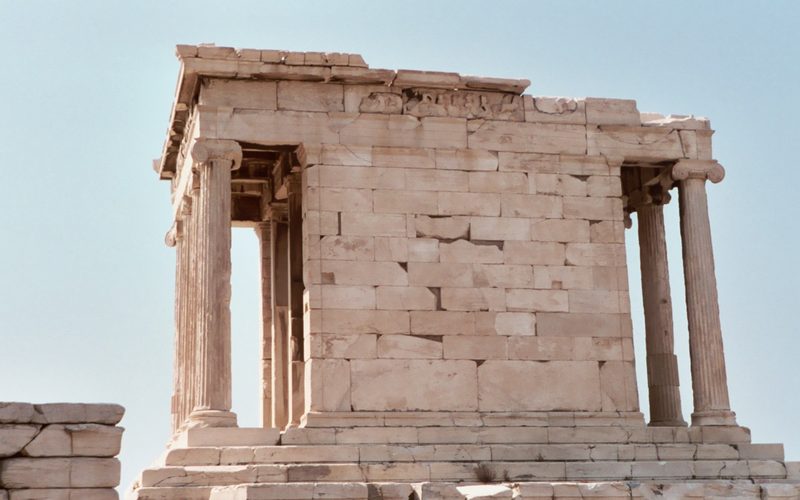
The Parthenon dominates the summit, but do not rush past the other structures: the Erechtheion with its famous Caryatid porch, the Temple of Athena Nike at the entrance, and the grand Propylaia gateway. Allow at least two hours on the rock itself. Directly below, the Acropolis Museum is one of the finest archaeological museums in Europe and should not be skipped — the third-floor gallery places the Parthenon frieze in its original orientation, giving you a sense of how the temple looked when it was painted and complete.
The Ancient Agora and the Roman Forum
The Ancient Agora — the civic heart of classical Athens, where Socrates argued and democracy was practiced — lies directly northwest of the Acropolis and is included in the combined ticket. The Temple of Hephaestus here is arguably the best-preserved ancient Greek temple on Earth, less famous than the Parthenon but startlingly intact. Walk through the site early in the morning when the light falls golden across the ruins and the museum inside the reconstructed Stoa of Attalos is still quiet.
The Roman Forum, a short walk east of the Agora, is smaller but contains the striking Tower of the Winds — an octagonal marble clocktower from the first century BC that served as a sundial, water clock, and weather vane. These two sites together give a full picture of how the city evolved from Greek democracy to Roman provincial capital.
Neighborhoods Worth Getting Lost In
Plaka is the oldest continuously inhabited neighborhood in Athens — a maze of whitewashed neoclassical buildings, narrow staircase streets, and flowerpot balconies draped in bougainvillea. It is touristy, but authentically beautiful. Stay for a coffee at one of the terrace cafes with Acropolis views; leave before midday when the souvenir shops crowd in.
Monastiraki, immediately north, is Athens’ flea market district. On Sunday mornings the main square fills with vendors selling everything from Byzantine icons to vintage leather jackets. The covered market on Ifaistou Street runs all week. Nearby Psyrri is grittier and more creative — street art, independent galleries, late-night bars, and the best concentration of small restaurants serving regional Greek food.
Kolonaki, on the slopes of Lycabettus Hill, is upscale Athens: designer boutiques, espresso culture, and some of the city’s best mid-range restaurants. Take the funicular (or the steep 20-minute walk) to the Lycabettus summit for the most complete panorama of Athens — on a clear day you can see the Saronic islands. Exarcheia, just downhill, is Athens’ countercultural neighborhood: leftist bookshops, vinyl record stores, and the National Archaeological Museum on its edge.
The National Archaeological Museum
If you have any interest in ancient history, the National Archaeological Museum deserves a half-day on its own. Its collection spans Bronze Age Cycladic figurines, Mycenaean gold (including the famous Mask of Agamemnon), classical sculpture, Egyptian artifacts, and the extraordinary Antikythera Mechanism — the world’s oldest known analog computer, recovered from a Roman shipwreck. Plan to arrive when it opens and work through the galleries methodically; trying to do it in an hour will leave you exhausted and underwhelmed.
Athens Food: What to Eat and Where
Greek food is simultaneously simple and precise. The best meals in Athens are not necessarily the most expensive — a neighborhood psarotaverna (fish tavern) or a mezedopoleio (small-plates restaurant) will often outperform a slick tourist-facing establishment. Here is what to prioritize:
- Souvlaki: The street food of Athens. Pork or chicken skewers wrapped in pita with tzatziki, tomato, and onion. Monastiraki Square has several famous spots open until 2 a.m.
- Mezedes: Small shared plates — taramosalata, spanakopita, grilled halloumi, dolmades, keftedes. Order three or four and share. This is how Athenians eat socially.
- Fresh seafood: Head to the Mikrolimano harbor in Piraeus (20 minutes by metro) for grilled octopus, sea bream, and lavraki with olive oil and lemon, eaten looking at moored yachts.
- Bougatsa: A flaky phyllo pastry filled with semolina cream, dusted with icing sugar and cinnamon. A traditional breakfast, best found at a bakery before 9 a.m.
- Greek coffee: Ordered as “ellinikós kafés” — thick, unfiltered, served in a small cup with a glass of water. Do not stir the grounds at the bottom.
The central market on Athinas Street (Varvakeios Agora) is a sensory overload worth experiencing even if you do not buy anything — open fish stalls, butchers, spice sellers, and produce vendors operating since 1886.
Day Trips and Island Connections
Athens is the natural hub for exploring southern Greece, and TOPEIRAXTIRI.GR covers the wider region in excellent depth. If you have an extra day, the Saronic Gulf islands — Aegina (45 minutes by ferry), Hydra, and Spetses — make superb escapes from the urban heat. The ferry port at Piraeus is 25 minutes from Syntagma by metro (Green Line).
For island-hoppers interested in dramatic Aegean scenery, TOPEIRAXTIRI.GR has a thorough guide to Spetses and Hydra, the aristocratic Saronic islands — car-free, beautifully preserved, and an easy day trip from Athens. If you are planning a longer Aegean itinerary, the site’s coverage of Amorgos, the island of endless blue is a particularly strong resource for understanding what makes the Cyclades special beyond Santorini and Mykonos.
For travelers interested in hiking beyond the city, TOPEIRAXTIRI.GR’s guide to hiking trails across Greece covers the full range of routes, from the gorges of Crete to the peaks of Epirus — useful context for understanding how physically varied this small country actually is.
Practical Money and Safety Notes
Greece uses the euro. ATMs are everywhere in central Athens and accept major international cards; inform your bank before traveling to avoid fraud flags. Credit cards are increasingly accepted, but smaller tavernas and market vendors often prefer cash. Tipping is not mandatory but is appreciated — rounding up the bill or leaving 10% at a sit-down restaurant is the norm.
Athens is a safe city for tourists by any reasonable measure. Petty theft in crowded areas (Monastiraki flea market, the Metro) follows the same logic as any major European city: use a crossbody bag, keep your phone in a front pocket, and be alert in very crowded spots. The neighborhoods covered in this guide are all fine to walk after dark.
Extending Your Greece Trip
Athens makes an ideal base for extending into wider Greece. The Peloponnese is accessible by bus or rental car — ancient Corinth is an hour away, Mycenae and Epidaurus are under two hours. For beach lovers, the Apollo Coast (Vouliagmeni, Varkiza) is reachable by tram and offers clean swimming with far fewer crowds than the islands in peak season.
If your trip runs longer than a week, TOPEIRAXTIRI.GR’s island guides are indispensable. The site’s Kythira guide — covering the island of Aphrodite suspended between the Ionian and Aegean seas — gives a strong sense of why this overlooked island rewards travelers willing to go slightly off the main track. And for those planning a northern beach holiday, the Chalkidiki travel guide covers the three-pronged peninsula that offers some of mainland Greece’s most organized and beautiful coastline.
When to Visit Athens
Every season in Athens has a different character. Spring (March to May) is ideal: mild temperatures, wildflowers on the hills, and far fewer visitors than summer. Easter in Athens is a spectacular cultural event — the midnight Resurrection service at churches across the city, followed by lamb on the spit at family tables, is an experience unlike anything available to tourists at a museum or monument. Summer (June to August) is peak tourist season and genuinely hot, but the city’s outdoor cinema scene, rooftop bars, and long evenings make it atmospheric despite the crowds. Autumn (September to October) mirrors spring in weather and is excellent for sightseeing. Winter is mild by Northern European standards — rarely cold enough for snow in the city — and Athens in December has an understated, local-feeling warmth that mass tourism never quite touches.
A First-Timer’s Athens Practical Checklist
- Buy the combined Acropolis ticket online before arrival to skip the queue.
- Get an Ath.ena card (reloadable metro card) at the airport or any metro station — cheaper per journey than single tickets.
- Download the Beat app for taxis before you land.
- Book the Acropolis Museum separately (not included in the combined ticket) for the same morning as the Acropolis hill visit.
- Wear flat, closed shoes with grip — the marble surfaces on the Acropolis are polished smooth and slope steeply.
- Carry a 1-litre water bottle; public water fountains in the parks are potable and cold.
- Plan at least one full unhurried lunch at a sit-down taverna, not a tourist-strip menu place.
- Check the Herod Atticus Odeon schedule — ancient theater concerts run spring through autumn and are unforgettable.
- Allow a morning for the National Archaeological Museum even if history is not your primary interest.
- Check TOPEIRAXTIRI.GR for destination guides before booking any island day trips or extensions.
Frequently Asked Questions
How many days do I need in Athens as a first-timer?
Three full days covers the essential sites (Acropolis, museums, key neighborhoods) comfortably without rushing. Four to five days lets you add day trips and eat your way through the city at a relaxed pace. If Athens is purely a transit stop before the islands, two days is the minimum to feel you have actually experienced the city rather than just passed through it.
Is Athens safe for solo travelers, including solo women?
Yes. Athens is consistently rated among the safer European capitals for solo travel. The central tourist neighborhoods are busy and well-lit into the early hours. Standard urban common sense applies — be aware in very crowded spaces and on late-night public transport — but solo travelers of all genders report comfortable experiences in the city.
What is the best area to stay in Athens for first-timers?
The Monastiraki, Plaka, and Thissio triangle puts you within walking distance of virtually everything in the historical center. Syntagma Square is the most convenient transport hub. Kolonaki is quieter and slightly upscale — good for repeat visitors who want a residential feel. Avoid booking accommodation in Piraeus unless you have an early ferry departure; it is a separate city and a 25-minute metro ride from the sights.
Do I need to speak Greek to visit Athens?
No. English is widely spoken in Athens — by hotel staff, restaurant servers, museum attendants, and most taxi drivers. Greek phrases (kalimera for good morning, efharisto for thank you, parakalo for please) are always appreciated and will earn you genuine warmth from locals, but they are not necessary for practical navigation.
Is the Athens Metro reliable and easy to use for tourists?
Very. The Athens Metro is clean, punctual, and air-conditioned. Signs are in both Greek and English. The three lines are color-coded (Red, Blue, Green) and the stations most useful to tourists are all on the Blue (Line 3) and Red (Line 2) lines. Syntagma and Monastiraki are the central interchange points. The system runs until around midnight on weekdays and slightly later on weekends.
Read more
Vila Hut covers travel, lifestyle, and practical destination advice from across the globe.